
 Build a lightweight, reliable day pack with the ten essentials and a few smart extras for any trail.
Packing for a Day Hike: The Essentials That Actually Matter
I used to hike with a pack so heavy I felt like a pack mule. Then I spent a season hiking with a search and rescue volunteer who carried less than I did and was ready for far more. Watching her work taught me that a good day pack isn't about bringing everything. It's about bringing the right things, organized so you can find them when it matters. Whether you're doing a quick two-mile loop or a full-day summit push, a smart packing system keeps you comfortable, safe, and light on your feet.
The foundation is the classic ten essentials, a list developed decades ago and still the best starting point. It covers navigation, sun protection, insulation, illumination, first aid, fire, repair tools, nutrition, hydration, and emergency shelter. You won't need every item on every hike, but you should think about each one before you leave. A short, well-marked trail in mild weather needs less than a remote alpine route, but the categories stay the same.
The Core Essentials, Simplified
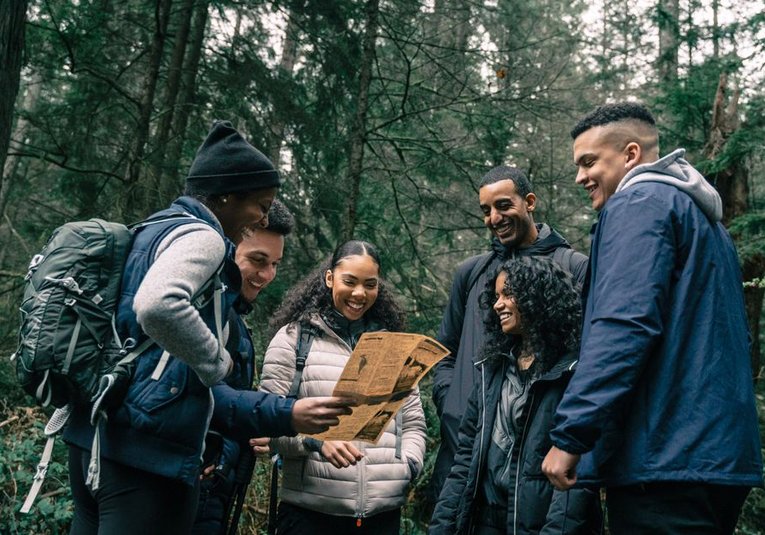
Navigation means a map and compass, plus a charged phone with offline maps downloaded. Don't rely on cell signal in the backcountry, because it often vanishes exactly when you need it. Sun protection is a hat, sunglasses, and sunscreen, even on cloudy days. Insulation is an extra layer, because weather changes fast and summits run cold. Illumination is a headlamp with fresh batteries, which you'll want if a hike runs long.
First aid should include blister treatment, pain relievers, bandages, and any personal medications. Fire starters let you build a warming blaze in an emergency, and a small repair kit with tape and a multitool fixes gear on the fly. Nutrition means more food than you plan to eat, and hydration means at least a liter for short hikes and two or more for longer or hotter ones. Emergency shelter can be as simple as a lightweight space blanket or bivy.
Smart Extras and How to Pack Them
Beyond the essentials, a few extras make day hikes far more pleasant. Trekking poles spare your knees on steep descents. A lightweight sit pad gives you a dry, comfortable spot for lunch. Bug spray and a small towel handle the realities of nature. A trash bag lets you pack out your waste and any litter you find, which is a small kindness to the trail.
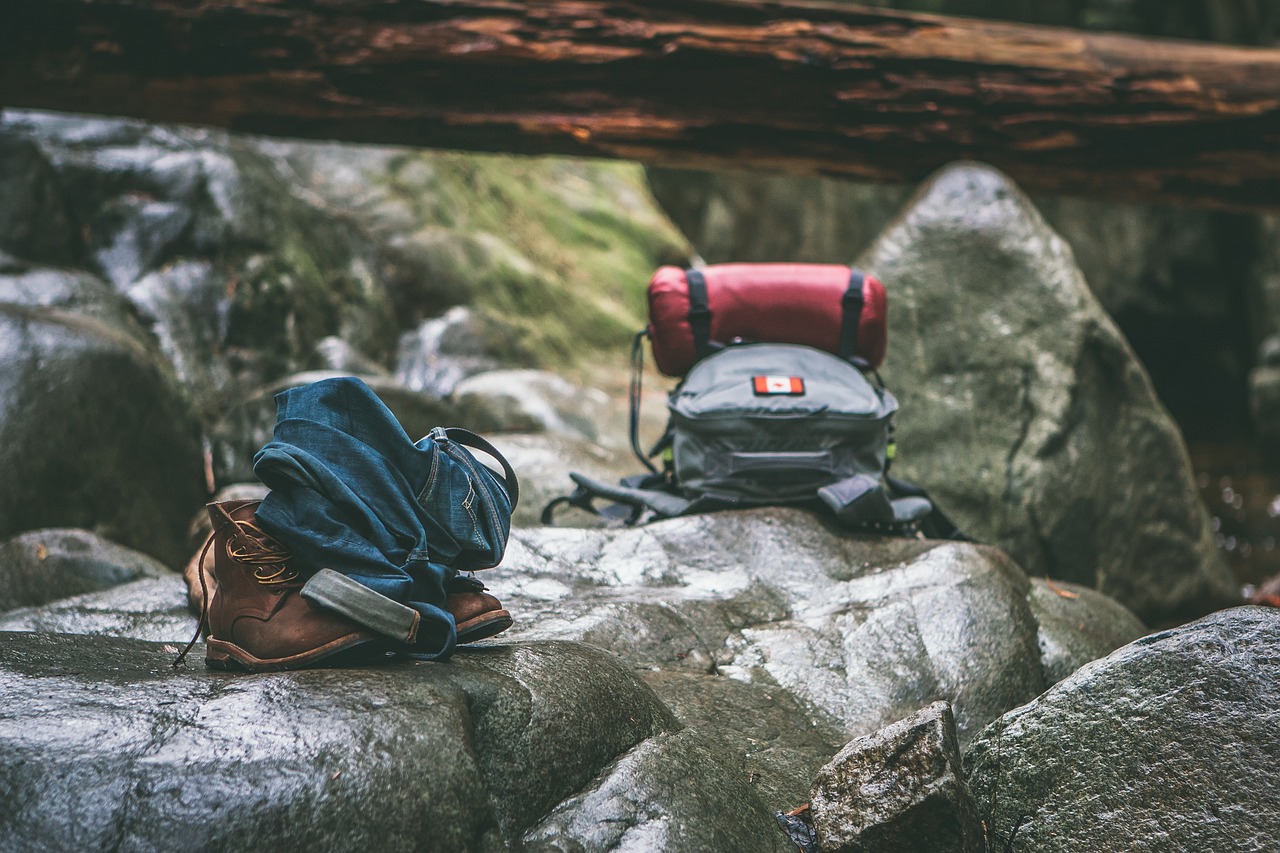
How you pack matters as much as what you pack. Put heavy items like water and food close to your back and centered high, so the weight rides on your hips instead of your shoulders. Keep frequently used items like snacks, sunscreen, and your map in easy-to-reach pockets. Store rain gear and layers near the top so you can grab them without unpacking everything. Use stuff sacks or zip bags to organize small items and keep them dry.
Finally, adjust your pack before you start walking. Loosen the straps, put it on, tighten the hip belt first, then the shoulder straps, then the sternum strap. The weight should sit on your hips, not hang from your shoulders. A well-fitted pack feels like part of your body. Do this right, and you'll barely notice the weight, leaving your energy for the view at the top.