
 The unwritten rules of who yields, how to pass, and how to keep the trail friendly for everyone.

Choosing Your First Pair of Hiking Boots Without Regret
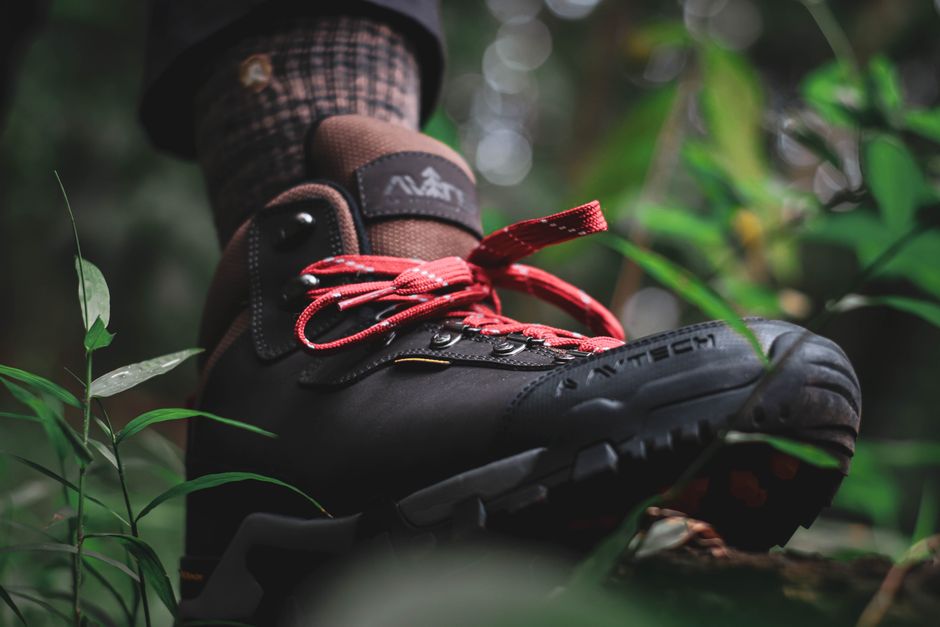
Nothing ruins a hike faster than footwear that fights back. I've watched friends limp down mountains in borrowed boots, and I've made my own share of bad purchases. After enough miles and enough blisters, I've learned that the best hiking boot isn't the most expensive or the most technical. It's the one that fits your foot, matches your terrain, and doesn't need a week of suffering to feel right.
The first rule is to ignore the number you wear in sneakers. Hiking footwear sizing varies wildly between brands, and your feet swell during long days on the trail. Always try boots on in the afternoon, when your feet are at their largest, and wear the socks you plan to hike in. Your toes should have about a thumb's width of room in front of them, and your heel should stay locked in place when you walk. If your heel lifts, you'll get blisters on the climb. If your toes jam the front, you'll lose toenails on the descent.
Match the Boot to the Trail
Boots fall into roughly three weight classes, and picking the right one saves your legs. Lightweight trail shoes and low-cut hikers work well for maintained paths, day hikes, and fastpacking. They're flexible, breathe well, and dry quickly. Mid-cut boots add ankle support and a bit more protection, which suits rocky terrain, moderate loads, and multi-day trips. Full leather or heavy-duty mountaineering boots are built for rough ground, heavy packs, and technical conditions, but they're overkill for a casual weekend walk in the woods.
Think honestly about where you'll actually hike, not where you dream of hiking. Most people buy boots for the fantasy trip and end up miserable on the local trail. If your reality is gentle forest loops, a sturdy trail shoe will serve you better than a stiff alpine boot. If you're carrying a loaded pack over scree, invest in support and protection.
Break-In, Care, and Knowing When to Retire Them
Modern boots break in faster than the old all-leather tanks, but they still need some easing. Wear them around the house, then on short walks, then on a few easy hikes before committing to a long day. This lets the materials mold to your feet and reveals hot spots while you're still close to home. If you feel a blister forming, stop and address it immediately with tape or a blister patch. Ignoring it is how a small annoyance becomes a trip-ending injury.
Care extends a boot's life considerably. Clean mud and grit off after hikes, let them air dry away from direct heat, and reapply waterproofing as the factory treatment wears off. Inspect the soles and seams periodically for separation or excessive wear. When the midsole loses its cushioning or the tread is worn smooth, it's time to replace them, even if the uppers still look fine. Your knees will thank you.
Buy from a shop that lets you return worn boots within a reasonable window, and don't be shy about walking around the store for twenty minutes. A good fit is worth more than any feature list. Get that right, and your boots become invisible partners on every adventure.