
 Seven simple principles, explained through real trail moments, that keep the outdoors wild for everyone.
Overnight Backpacking on a Budget: Gear That Works Without the Price Tag
Backpacking has a reputation for being expensive, and it can be. But it doesn't have to be. Some of the best overnight trips I've taken were with gear that cost less than a single night in a hotel. The trick is knowing where to spend and where to save.
The big three, as they're called, are your pack, your shelter, and your sleep system. These are the items that carry the most weight and make the biggest difference in comfort, so they're worth some thought. But 'worth some thought' doesn't mean 'worth full retail.'
Where to Save and Where to Spend
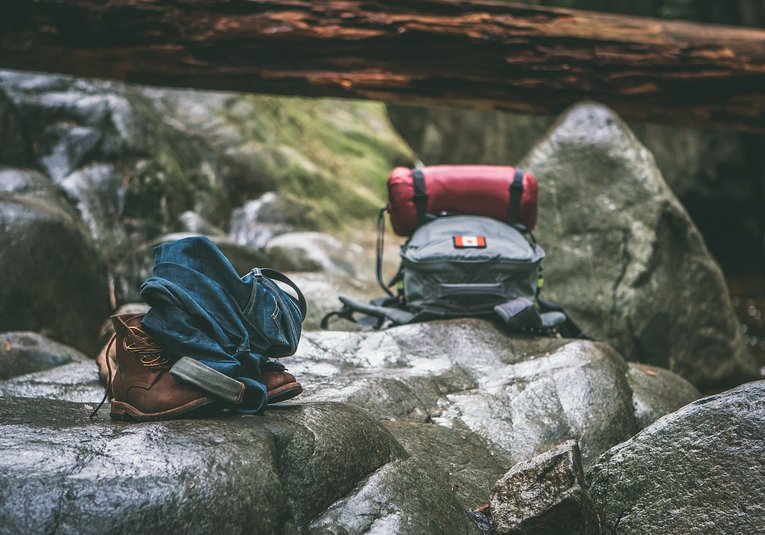
Your backpack is the first place to look used. Packs are simple: a bag with straps. A used pack from a reputable brand, even one a few years old, can serve you for years. Check online marketplaces, gear swaps, and consignment shops. The main thing is fit. If it doesn't sit right on your hips and shoulders, it doesn't matter how cheap it was.
Shelter is where people often overspend. A simple tarp and a bug net can be lighter and cheaper than a tent, but it takes practice to pitch. If you want a tent, look for a used three-season, two-person model. You don't need a four-season mountaineering tent for summer overnights in most places. A cheap tarp from a hardware store can also serve as a ground cloth or an emergency shelter, and it costs almost nothing.
Sleep systems are trickier. A good sleeping bag is worth having, but 'good' doesn't mean 'new.' A used down bag can be a great deal if it's been cared for. Check for loft and smell. If it's flat and smells like a basement, pass. Synthetic bags are heavier but cheaper and more forgiving if they get damp. For a pad, a simple closed-cell foam pad is cheap, light, and indestructible. It's not as comfortable as an inflatable, but it will never spring a leak.
For cooking, a small canister stove is convenient, but an alcohol stove made from a cat food can works fine and costs almost nothing. You can also just skip the stove entirely and bring no-cook food. Overnight trips don't require hot meals.
The Rest of the Kit
Clothing is where you can save the most. You don't need technical hiking clothes. A synthetic t-shirt, a fleece from a thrift store, and a rain jacket are enough for most summer trips. Avoid cotton for anything that might get wet, especially socks and base layers. Wool socks are worth the money, but even those can be found on sale or used.
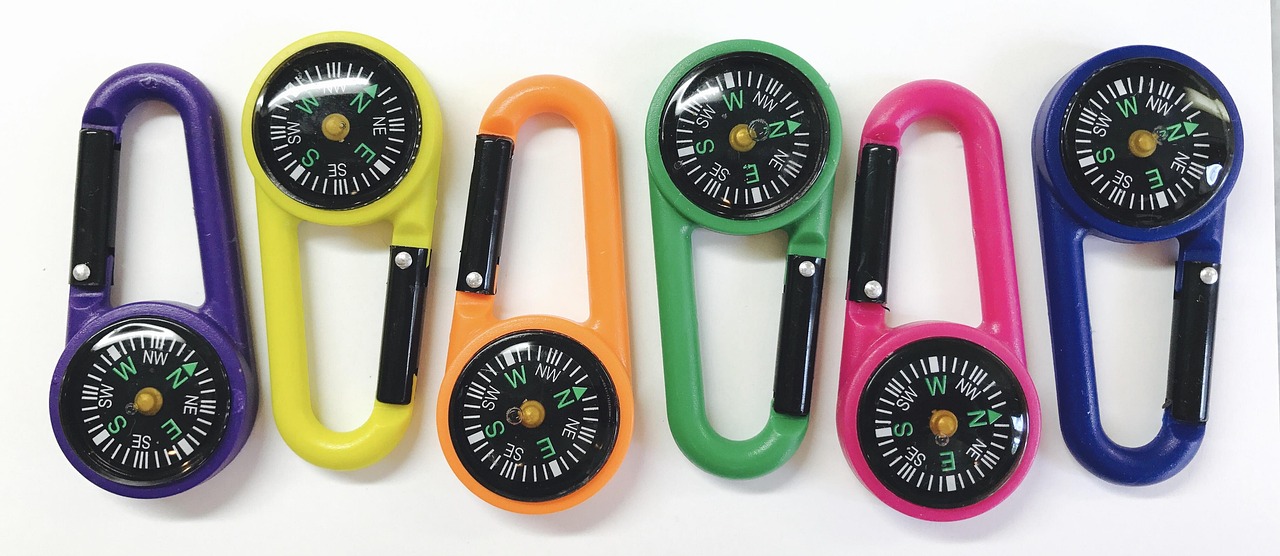
For water, a couple of cheap plastic bottles work as well as expensive ones. A basic filter or purification tablets are worth buying new, since you don't want to gamble with water safety. For light, a small headlamp is worth the modest cost. For navigation, a paper map and a simple compass are cheap and reliable, and they don't run out of batteries.
The real secret to budget backpacking is to start with what you have and upgrade slowly. Borrow gear, rent from a shop, or buy used. Do a short overnight close to your car first, so you can bail if something doesn't work. You'll learn more from one night out than from a hundred forum posts, and you'll figure out what you actually need rather than what someone else says you do.