
 Seven simple principles, explained through real trail moments, that keep the outdoors wild for everyone.

Leave No Trace: Small Habits That Protect Wild Places
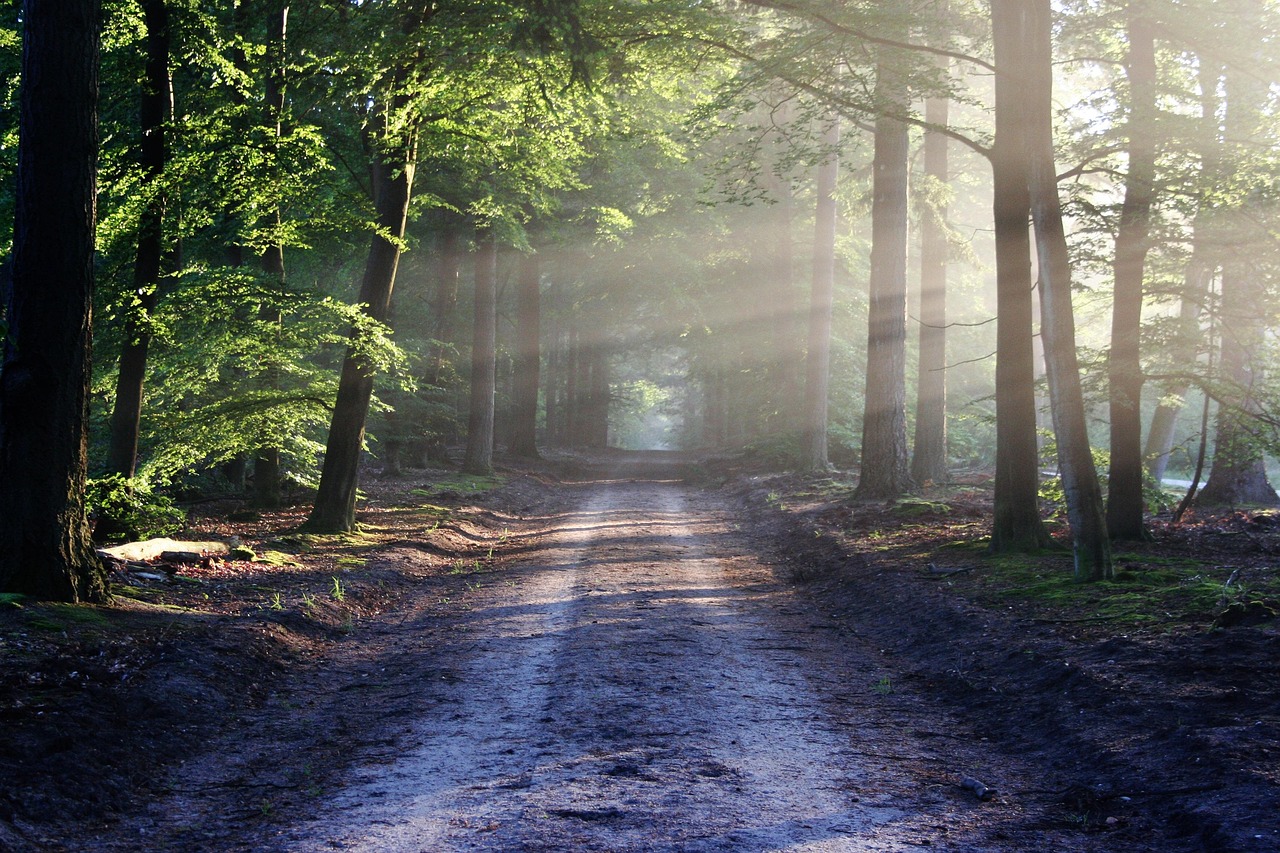
The most beautiful campsite I ever found was also the most heartbreaking. Someone had left a fire ring full of charred cans, toilet paper scattered behind a tree, and orange peels rotting on a rock. The spot was pristine otherwise, tucked beside a creek in a quiet valley. That contrast stuck with me. Wild places don't stay wild by accident. They stay wild because the people who love them choose, again and again, to leave them better than they found them.
Leave No Trace isn't a rigid rulebook or a badge of superiority. It's a set of practical habits that reduce our impact so the next person, and the wildlife that lives there, gets the same experience we did. The principles are simple, but applying them takes a little thought and preparation. Here's how they play out in real trail situations.
The Core Principles in Practice
Plan ahead and prepare. Most impact happens because of poor planning. Check regulations, know fire restrictions, bring the right layers, and carry out everything you carry in. A little homework prevents the desperate decisions that damage landscapes.
Travel and camp on durable surfaces. Stay on established trails even when they're muddy, because cutting switchbacks creates erosion that scars hillsides for decades. Camp on rock, gravel, or designated sites rather than trampling fragile alpine plants. If you're in a popular area, concentrate your impact on already-worn spots instead of spreading it into untouched ground.
Dispose of waste properly. Pack out all trash, including food scraps and wrappers you might think will decompose. They won't, at least not quickly, and they attract animals. Human waste should go in a cathole dug six to eight inches deep, at least 200 feet from water, trails, and campsites, or into a wag bag where required. Bring a small trowel and don't leave the toilet paper behind.
Respecting Wildlife, Fire, and Other People
Leave what you find. Wildflowers, rocks, antlers, and artifacts all belong where they are. Taking them removes pieces of an ecosystem and, in the case of cultural items, steals from history. Observe wildlife from a distance and never feed animals, even the bold ones. A fed animal often becomes a dead animal once it loses its fear of people.
Minimize campfire impact. Use a stove for cooking, and if you build a fire, keep it small, use only dead and downed wood, and burn everything to ash. Scatter the cool ashes and restore the site. During dry seasons, skip the fire entirely. One escaped spark can destroy thousands of acres.
Be considerate of others. Keep noise down, yield on trails, and let faster hikers pass. Everyone is out there for their own version of peace, and loud music or shouting erodes that for miles around. These habits aren't about being perfect. They're about being mindful. Every hiker who packs out a little extra trash or skips a fire on a dry night makes a difference. Over a season, those small choices add up to intact forests, clean water, and trails that feel wild for the next generation.