
 The unwritten rules of who yields, how to pass, and how to keep the trail friendly for everyone.

Hiking in Heat: Staying Safe When the Trail Turns Into a Furnace
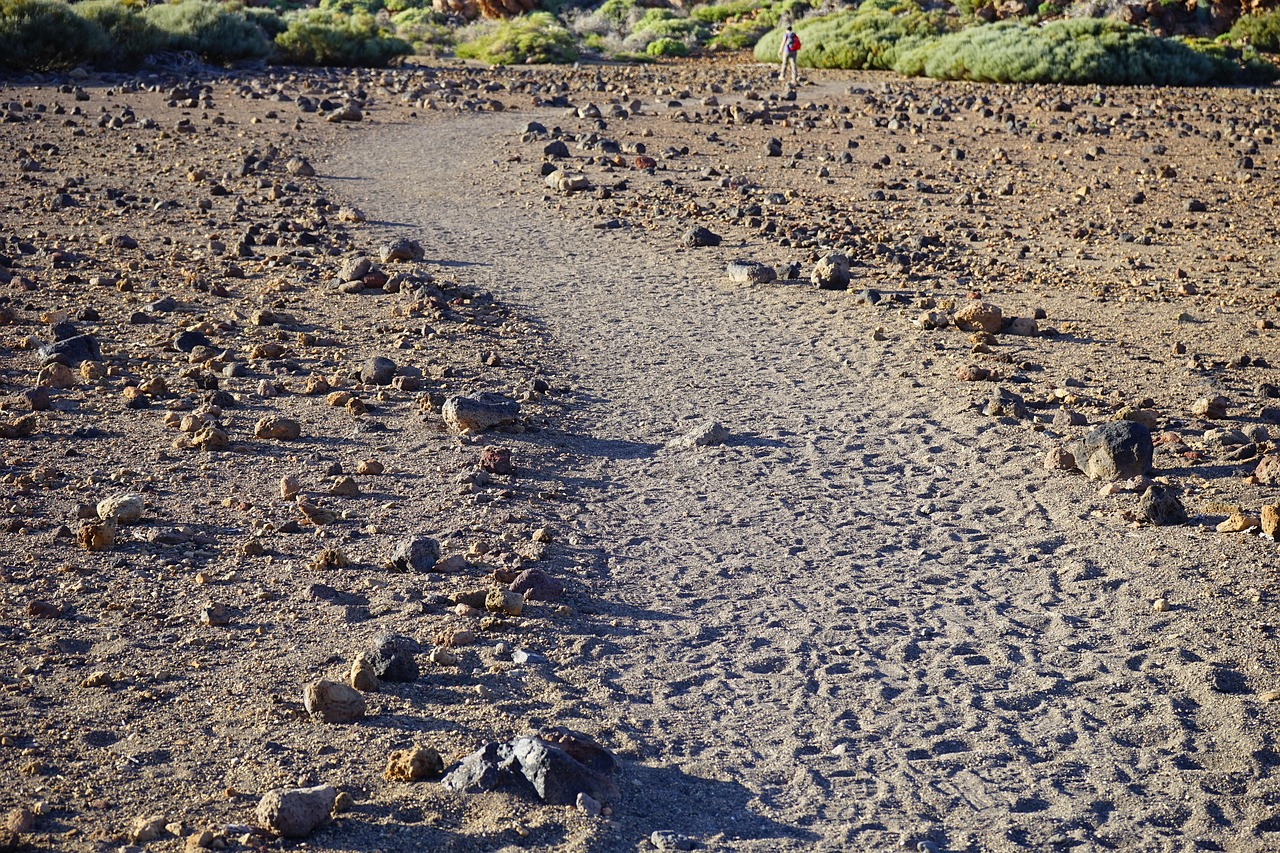
Summer hiking can be glorious, but heat changes the rules. The same trail that felt easy in May can feel like a treadmill in August. The good news is that heat is predictable, and with a few adjustments you can still get out there safely.
Timing is everything. Start early, ideally before sunrise, and plan to be off exposed sections by mid-afternoon. The hottest part of the day is usually between noon and four, but the heat builds earlier on south-facing slopes and in canyons where air doesn't move. If you can't start early, consider a shorter hike or one with shade and water nearby.
Hydration and Electrolytes
Water is obvious, but how much you need depends on the person, the trail, and the temperature. A good rule is to drink regularly, before you feel thirsty, and to turn around when you've consumed about half your water. That leaves you enough to get back. Don't ration water to the point of dehydration; it's better to cut the hike short than to run dry miles from the trailhead.
Electrolytes matter more than most people think. When you sweat, you lose salt, and drinking plain water alone can lead to a dangerous condition called hyponatremia, where your sodium levels get too low. Bring salty snacks, or add an electrolyte mix to one of your bottles. Pickles, salty nuts, and even a bag of chips can help. If you start feeling nauseous, headachy, or confused, that's a sign to stop, get into shade, and cool down.
Cooling is its own skill. A wet bandana around your neck, a hat with a brim, and light-colored, loose clothing all help. If you cross a creek, soak your shirt and hat. The evaporation will cool you for a while. On breaks, find shade and sit still rather than pacing around. If you feel overheated, get in the water if it's safe, or pour water over your head and wrists.
Reading Your Body and Knowing When to Stop
Heat illness comes in stages. Heat cramps are the first sign: painful muscle spasms, usually in the legs or abdomen. Stop, rest, and drink something with electrolytes. Heat exhaustion is next: heavy sweating, weakness, dizziness, nausea, and a rapid pulse. Get out of the sun, lie down with your feet elevated, and cool your body with water and airflow. If symptoms don't improve quickly, it's an emergency.
Heat stroke is the dangerous one. The signs are a high body temperature, hot and dry skin (or sometimes still sweaty), confusion, and loss of coordination. This is a medical emergency. Call for help, cool the person aggressively with water and ice, and get them to shade. Don't wait to see if they feel better.
Prevention is mostly about humility. If the forecast is extreme, pick a different day or a different trail. Hike with a buddy, tell someone your plan, and be willing to turn around. The mountain will still be there when it's cooler. There's no summit or view worth a trip to the hospital.