
 A calm, step-by-step approach to finding your way back when the path disappears.
Hiking With Kids: Turning a Short Walk Into a Big Adventure
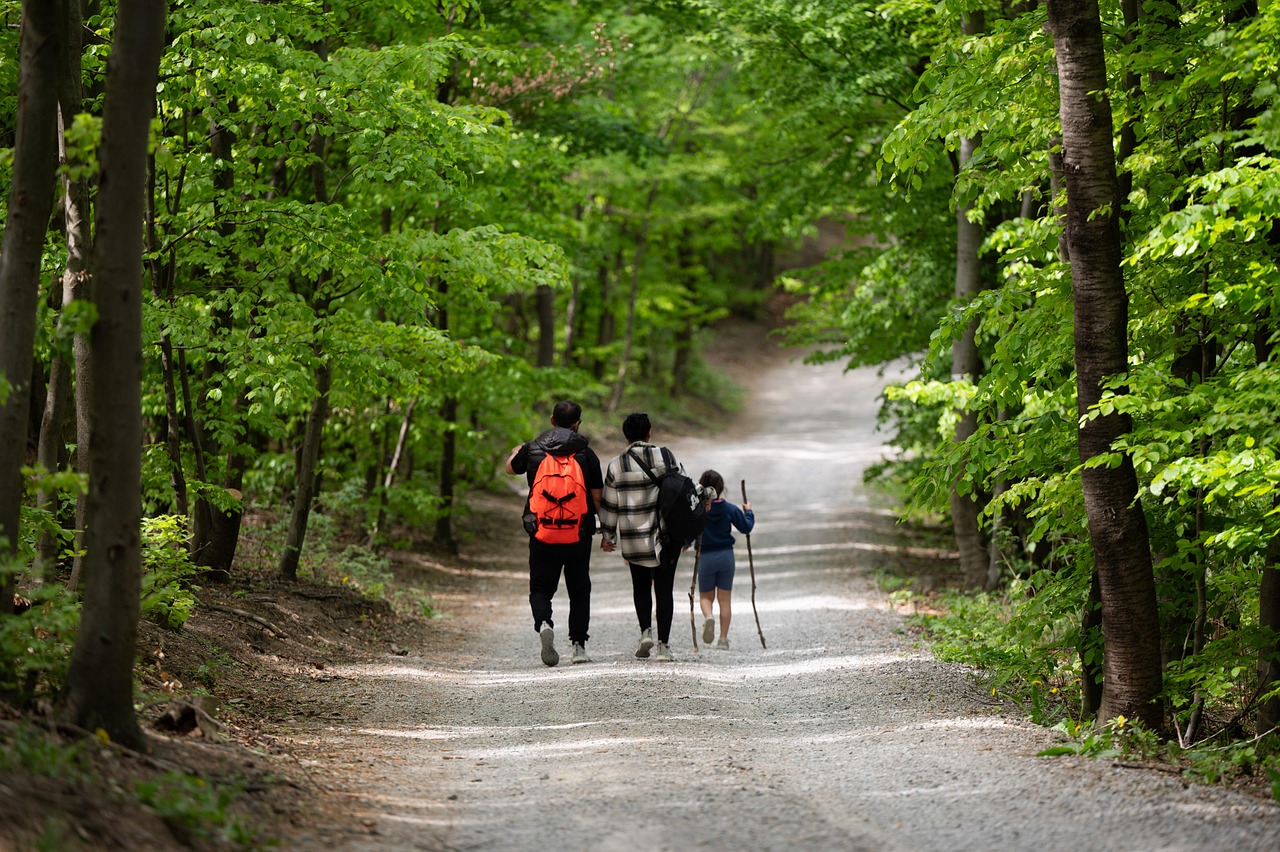
My nephew's first hike lasted eleven minutes. He found a stick, declared it a magic wand, and refused to move until he'd cast spells on every rock in sight. I could have pushed him to keep walking. Instead, I cast a few spells myself, and we eventually made it a whole mile. That day taught me the secret to hiking with kids: the goal isn't distance. It's delight.
Children experience trails differently than adults. They notice beetles, puddles, and interesting sticks. They get tired without warning and hungry without patience. If you plan around their pace and curiosity instead of your own summit ambitions, a short walk becomes an adventure they'll ask to repeat. The key is lowering your expectations and raising your sense of play.
Choosing the Right Trail
Pick routes with built-in rewards. A waterfall, a lake, a cave, or a viewpoint gives kids something to aim for and a story to tell afterward. Loops are better than out-and-backs because the scenery changes and there's no temptation to turn around early. Keep the distance short, roughly a mile for young children and a bit more for older ones, and check the elevation gain. A flat two-mile trail beats a steep half-mile every time.
Look for trails with interesting features along the way: boardwalks, bridges, big trees, or streams. These create natural rest stops and mini-destinations. Avoid routes with exposed cliffs, river crossings, or confusing junctions until your kids are older and more experienced. Safety matters more than scenery when little ones are involved.
Keeping Energy and Morale High
Snacks are the secret weapon of every successful family hike. Bring more than you think you need, and offer them before meltdowns start rather than after. Water matters too, and kids often forget to drink when they're busy exploring. Pack layers, because children get cold quickly when they stop moving, and bring a small first aid kit for scrapes and bug bites.
Games keep legs moving when enthusiasm dips. Try a scavenger hunt for colors, shapes, or animal tracks. Count bridges or mushrooms. Let kids lead when the trail is safe, and give them a map or compass to hold so they feel like real explorers. Sing songs, tell stories, and build in plenty of breaks. A ten-minute rest with a snack can reset everyone's mood entirely.
Let them get dirty. Puddle stomping, rock collecting, and crawling through mud are part of the fun, not obstacles to manage. Bring a change of clothes and a towel for the car. Praise effort over achievement, and never make a child feel like they're slowing the group down. The point is to build positive associations with being outside, so that hiking becomes something they choose as they grow.
Start small, celebrate every milestone, and follow their curiosity wherever it leads. The magic wand might slow you down, but it's also the reason they'll want to come back. Ten years from now, they won't remember the mileage. They'll remember the adventures.